
Churches
Our comprehensive suite of resources is built to help your church gain the knowledge, strategies, and faith-driven skills to build and maintain a disability-inclusive environment. No matter what stage your church is at—from seeking the latest materials for a long-standing program to learning more about disability in general—you’ll find countless resources to fit your needs.
Resources for churches
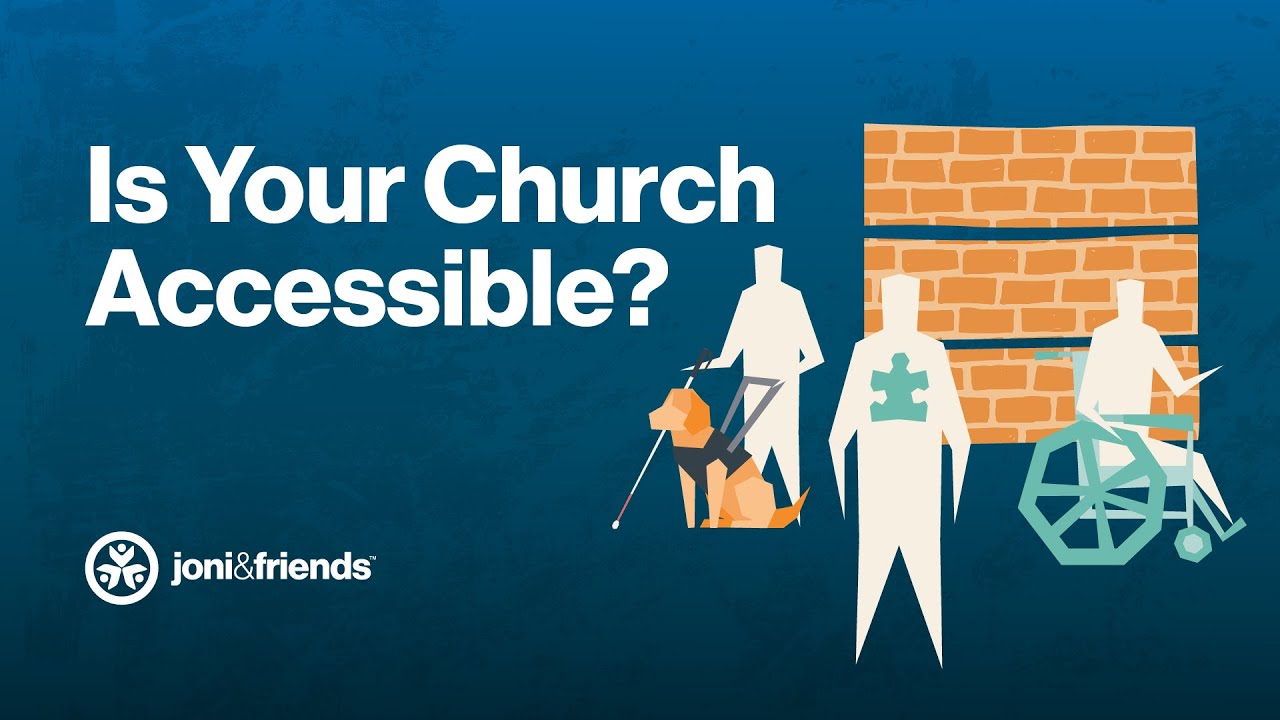
Clear steps to removing seen and unseen barriers within your church.
Take a look at the best ways to meet an array of communication needs.
An often-overlooked group in disability community is the siblings. Church leaders can play a big role in supporting these kids—by listening to their feelings, helping them explore their own gifts, and reminding them they are…
Move beyond awareness—discover how to become a true ally to the Deaf community and build a church where everyone belongs.
The wrong lighting and visual clutter can prevent people with sensory processing issues from attending your church or ministry events. Discover how to use lighting and visual cues to create a welcoming environment and…
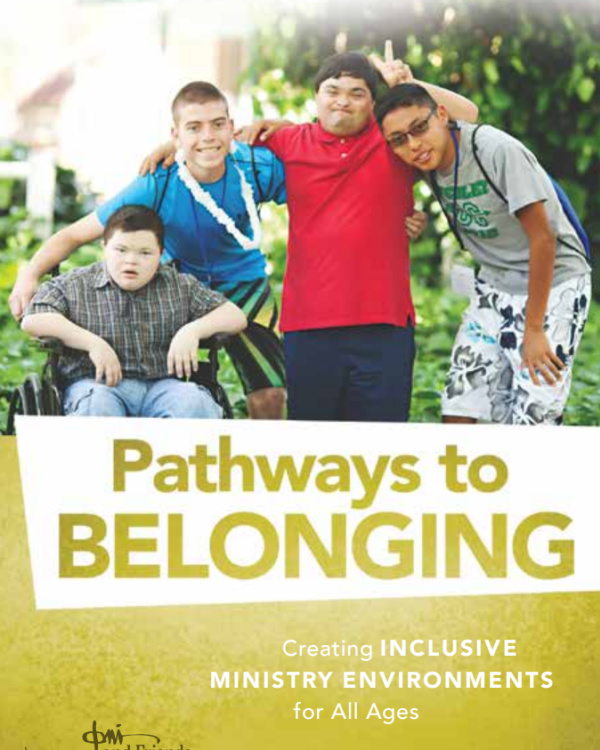
What does it look like to mature and grow in disability ministry with churches that have different styles, sizes and budgets?
Take a look at the best ways to meet an array of communication needs.
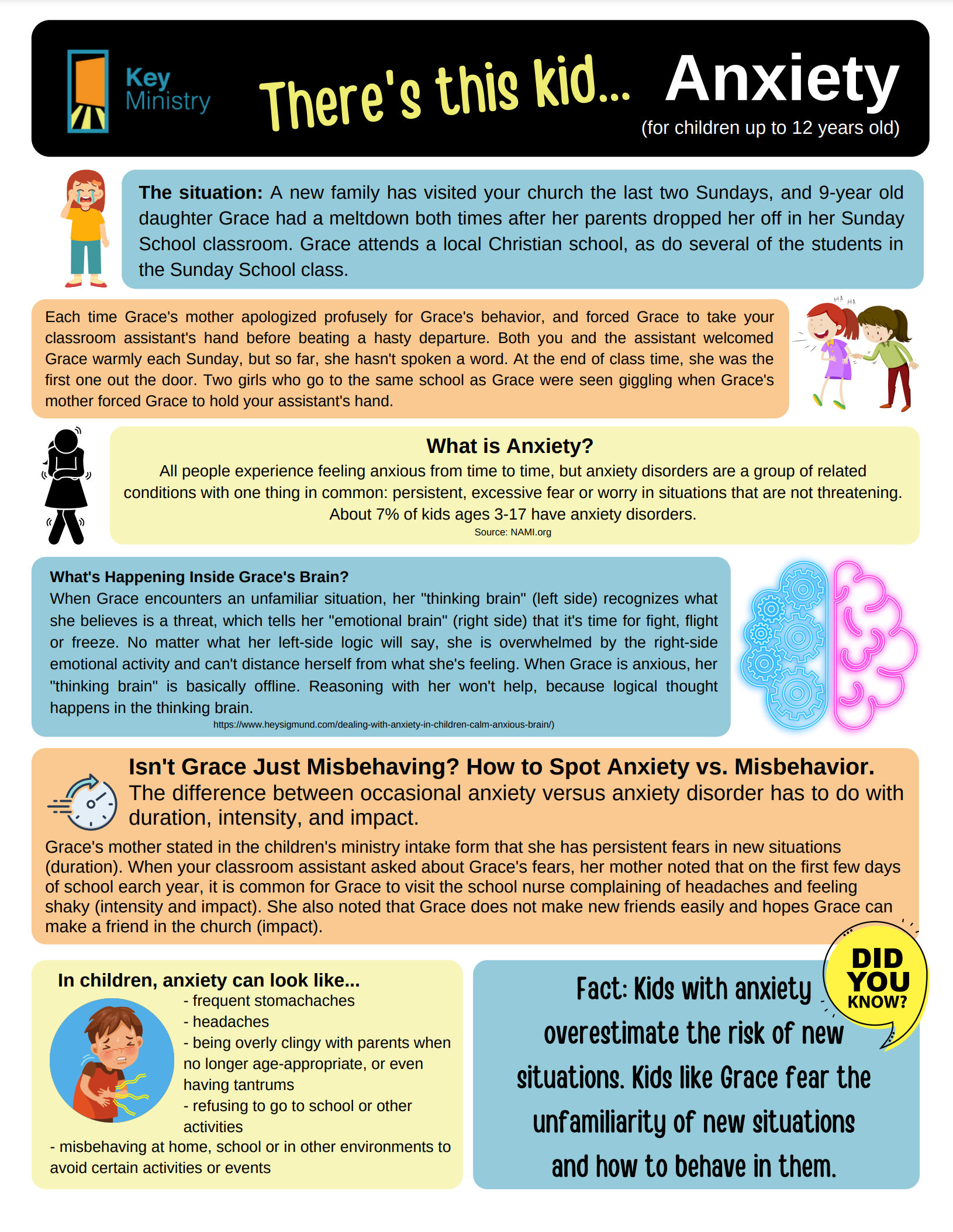
What is anxiety and what does it look like in a Sunday School classroom? Use these tips and strategies to help students with anxiety feel comfortable enough in your classroom to absorb gospel truths.
In this video, Becky offers insight into how the Church and caring individuals can make a meaningful difference through simple, thoughtful acts of support—like providing meals, helping with household tasks, or just being a…
Move beyond awareness—discover how to become a true ally to the Deaf community and build a church where everyone belongs.
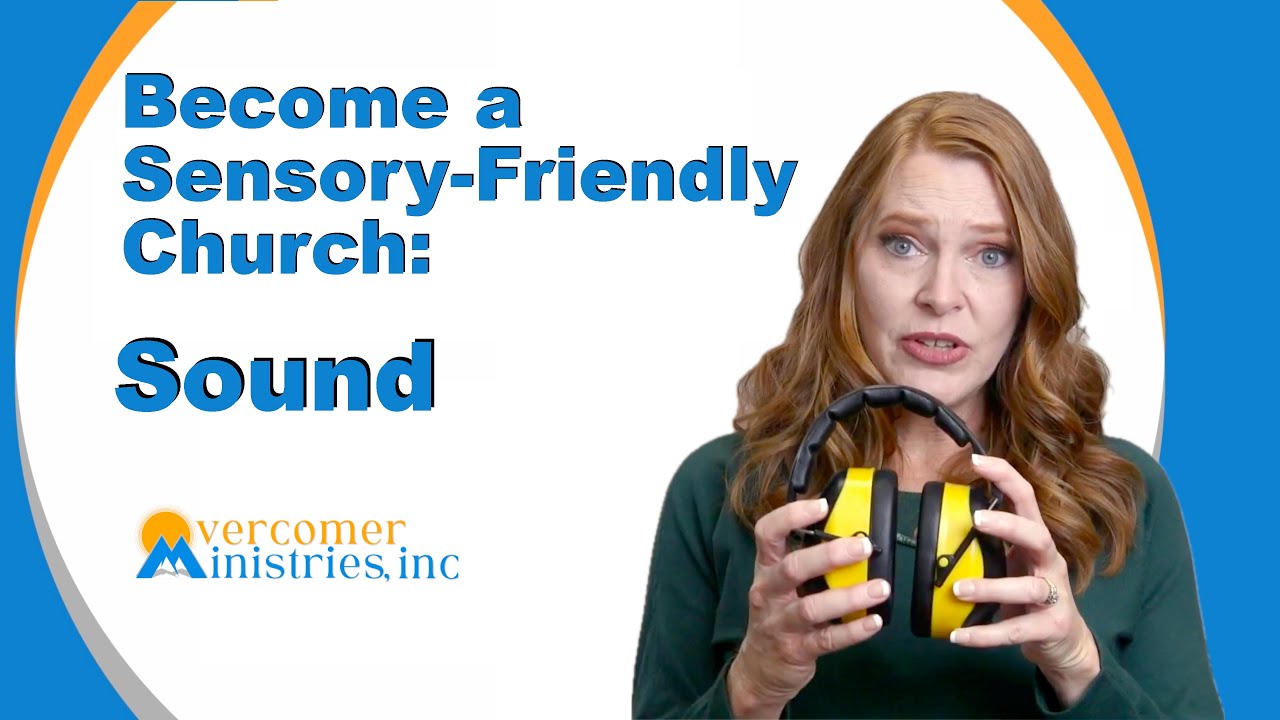
Sound can enhance learning and create an inviting atmosphere, but it can also prevent people from attending your church or ministry events. Learn the simple steps to be sensory-friendly. Training Video 3 of 6.
Everyone who comes through the church doors should feel welcomed and included. But when a new family at your church includes children or adults with disabilities, how do you gather and train volunteers to meet their unique…
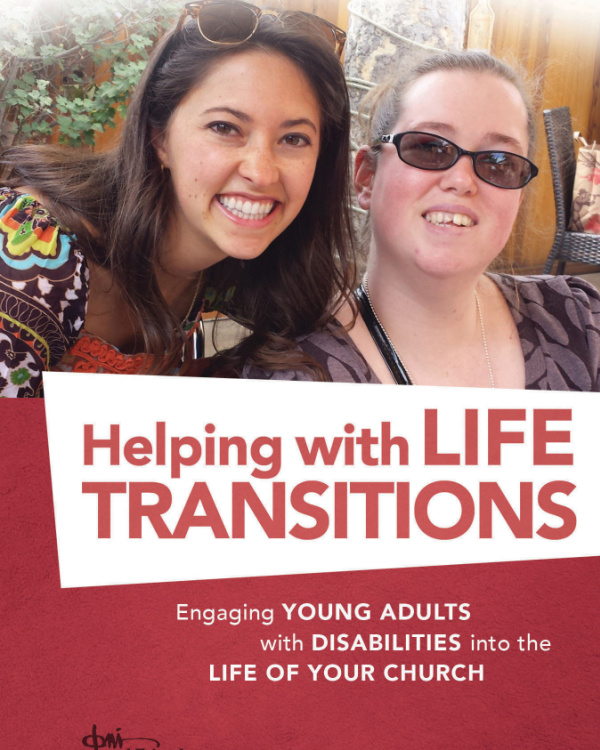
Engaging young adults with disabilities into the life of your church.
Creating structure in how you serve those with special needs is very hepful, but what works for one person may not work for all. Learn more. This is Part 1.
In this video, Steve shares his personal story and offers simple ways the Church and community can support fathers of children with disabilities.
